Understanding the difference between saving and investing is one of the most important steps for anyone who wants to grow their money over time, especially in Pakistan where inflation and rising costs make saving alone sometimes insufficient.
This article explains saving vs investing in simple words, gives real examples, and shows you how each one can help you build a better financial future.
📌 What Does “Saving” Really Mean?
Saving means keeping your money in a safe place where it doesn’t lose value. Most people save by keeping money in:
✅ Bank savings account
✅ Fixed deposits
✅ Piggy bank or cash at home
The main goal of saving is security and liquidity — you can use your money whenever needed.
External Reference: For how savings work and bank interest basics, you can read this guide from Investopedia:
👉 https://www.investopedia.com/terms/s/saving.asp
📌 What Does “Investing” Mean?
Investing means placing your money into assets or markets with the goal that it will grow over time — often at a higher rate than a savings account.
If you haven’t yet understood what investing is, read our full beginner guide here:
👉 What Is Investing? Beginner Guide for Pakistan
Investing is long-term and involves risk and reward — which we explain below.
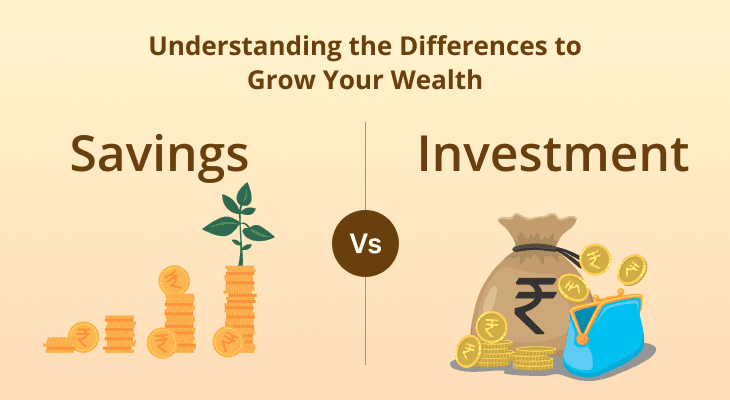
📊 Savings vs Investing – A Simple Comparison
| Feature | Saving | Investing |
|---|---|---|
| Goal | Safety & liquidity | Growth & returns |
| Risk | Very low | Higher (depends on instrument) |
| Return | Low | Can be high or variable |
| Time Horizon | Short-term | Medium to long-term |
🧠 Real-Life Example (Simple)
Ali puts PKR 50,000 in a savings account with 3% interest. After 1 year, he earns only PKR 1,500, so total becomes PKR 51,500.
But if Ali invests the same amount in a diversified index mutual fund, average returns might be 8–10% per year (over long term). That means after 1 year, the total could be PKR 54,000 – 55,000 or more (but not guaranteed).
💡 Why This Matters in Pakistan
Inflation in Pakistan often runs higher than bank interest rates. This means your money loses value over time if it just stays in a savings account.
✔ That is why investing — even small amounts — can help protect and grow your wealth.
🧠 When Should You Save vs When Should You Invest?
Here is a simple rule:
🟢 Save if:
-
You need money within 6–12 months
-
It is for emergency use
-
You want safety first
🔵 Invest if:
-
You are planning for long-term goals (3+ years)
-
You want higher returns
-
You are willing to learn and manage risk
📌 Where You Can Invest (Pakistan 2026)
These are common investment options in Pakistan:
🟡 1. Stock Market
Investing in shares of companies
👉 Covered in detail here:
How to Invest in the Stock Market in Pakistan (2026 Beginners Guide)
🟢 2. Mutual Funds
Professionals manage your money
(You can add your own article later)
🟠 3. Long-term strategies
👉 Learn smart plans here:
Smart Investment Strategies in Pakistan for 2026
⚠️ Be Careful — Some People Confuse Saving and Investing
A very common mistake:
“Keep cash under mattress — it’s safer.”
But due to inflation, this actually loses purchasing power over time.
Learn more about investment mistakes here:
👉 https://www.investopedia.com/articles/personal-finance/082615/11-common-investment-mistakes.asp
🧠 Quick Summary
✔ Saving = Safe, low returns, short-term
✔ Investing = Potential growth, risk involved, better for long-term
✔ Most smart financial plans use both wisely.
📌 Final Thought
If you are just starting your money journey, don’t rush into investing without understanding the difference with saving — and always plan before you act.
📍 Disclaimer
Paisa Invest provides educational content only. We do not manage funds or guarantee profits. All investment decisions involve risk.